
Technology

With the arrival of Gemini 3, Google is announcing a radical upgrade in the world of artificial intelligence. The new model promises more powerful reasoning, deeper understanding of context and the ability to work with complex visual and language tasks. This step could mark the transition from the era of AI assistants to an era of AI partners ready for complex tasks, creative thinking and integration into everyday digital tools.

Researchers at Penn State University have developed an unexpectedly simple yet highly advanced approach that could change the way we build smart devices. Instead of expensive laboratory procedures, they used materials similar to children’s “Shrinky Dinks” plastic sheets. Patterns of liquid metal are printed onto these sheets, which shrink when heated and conform to three-dimensional surfaces such as skin, furniture or curved household objects.

Chinese tech giant Baidu has unveiled ERNIE 4.5 VL 28B A3B Thinking — a multimodal artificial intelligence model that reportedly outperforms leading systems like GPT-5 and Gemini 2.5 Pro in complex tasks involving text, images and data visualization. Baidu claims its mixture-of-experts architecture enables exceptional results while using only a fraction of its total parameters. The company has also open-sourced the model under the Apache 2.0 license, encouraging broad adoption and industry collaboration.
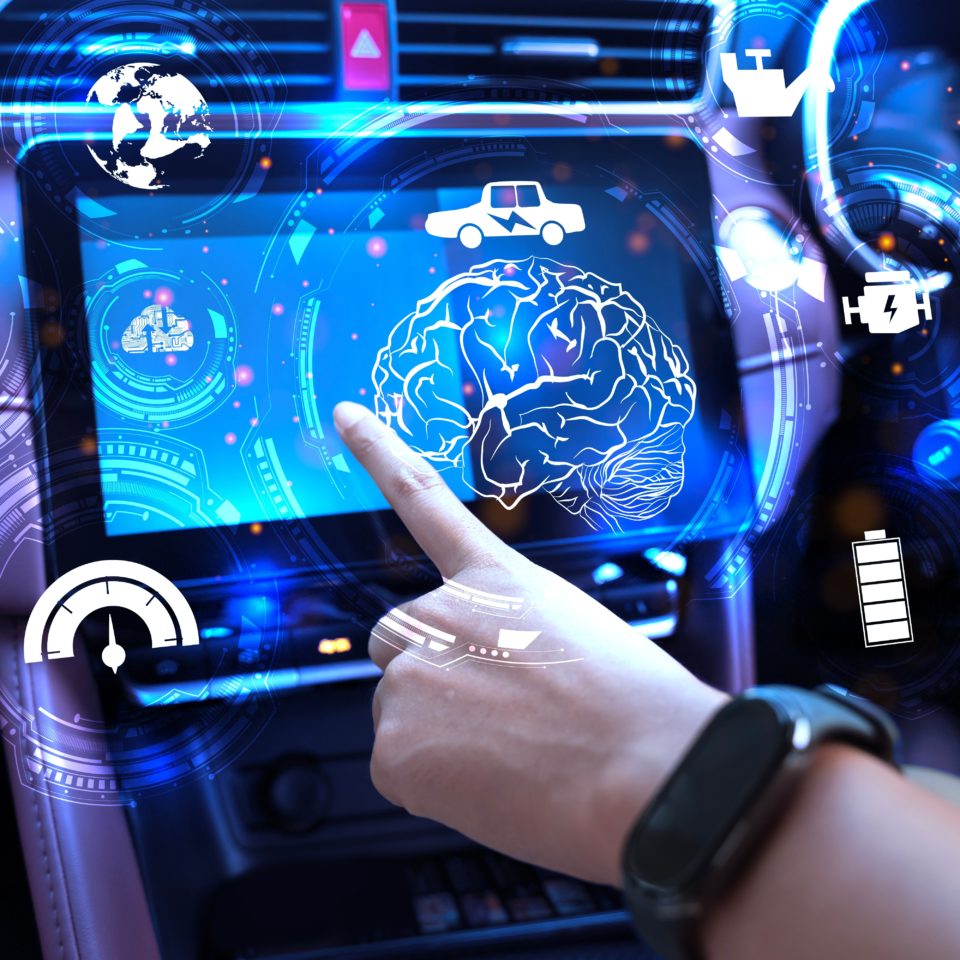
General Motors has announced a major leap in the driving experience set for 2026: the integration of a Google Gemini–powered AI assistant directly into its vehicles. Instead of relying on limited voice commands, drivers will be able to converse with an intelligent assistant that understands context, connects to the web, and uses vehicle data to offer personalized features from maintenance tips and optimized routes to automatically pre-cooling the car before entry. This move signals how AI and autonomy are becoming integral parts of the automotive future.

While much of the world is still in the process of adopting 5G technology and researchers are actively developing 6G networks, the tech world is already buzzing about the next generation — 7G. Although it sounds like something straight out of science fiction, the idea of 7G is increasingly appearing in academic discussions and industry roadmaps. This emerging technology promises near-instant communication, full integration of the physical and digital worlds, and wireless systems capable of powering autonomous cities and advanced AI ecosystems. But the question remains: how close are we really to this vision and where does the line between reality and technological imagination begin to blur?
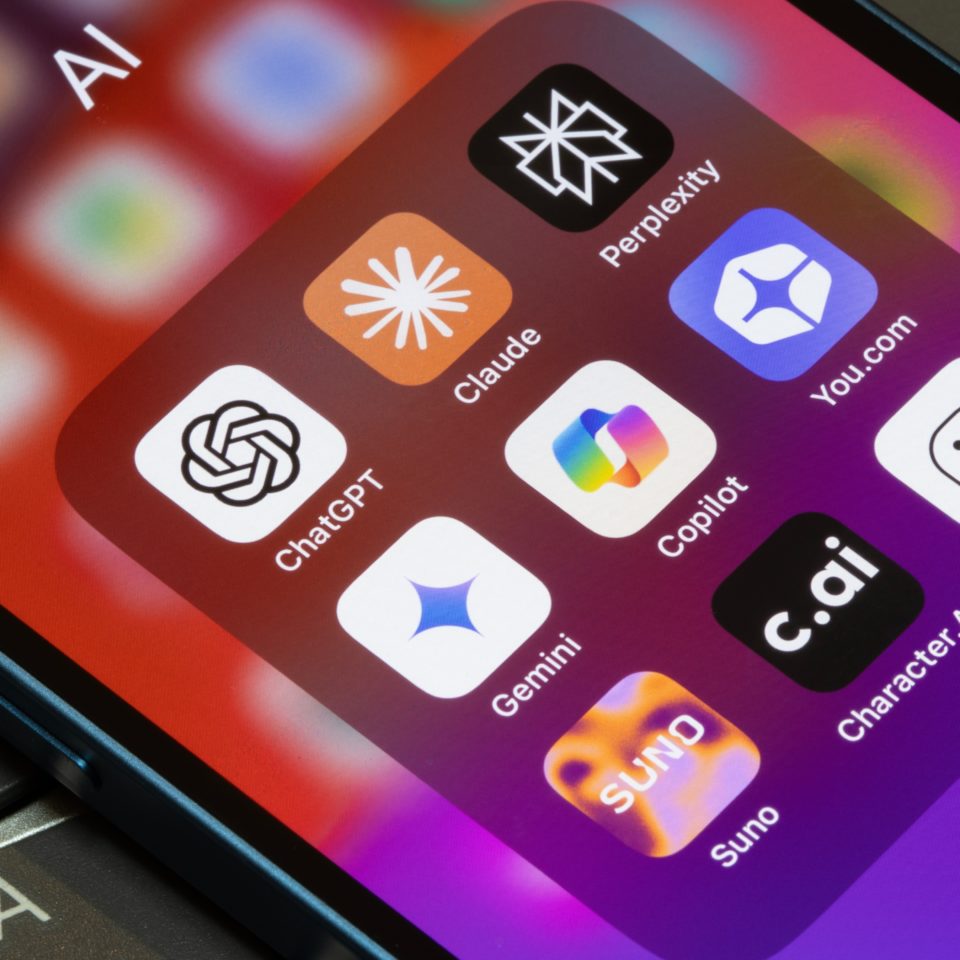
OpenAI recently enabled the use of applications directly within ChatGPT, opening up entirely new possibilities for user interaction and productivity. Instead of relying on external tools, users can now perform a wide range of tasks, from searching for information to generating content entirely within a single interface. This move highlights how artificial intelligence is becoming increasingly integrated into everyday work and digital life.

The development of wireless networks is entering a new era thanks to an innovation that could transform the way we communicate and use technology. A team of scientists has unveiled a chip capable of data transfer speeds unimaginable by today’s standards, paving the way for broader 6G technology development. This breakthrough promises not only faster networks but also the foundation for entirely new applications, from autonomous systems to advanced solutions in healthcare and industry.

Nokia has unveiled its first commercial 5G radio solution specifically developed for railway operators. The new technology enables safer and faster real-time communication while facilitating the transition to the upcoming global FRMCS standard (Future Railway Mobile Communication System). This development opens the door to the digitalization and automation of railway operations, improving safety, efficiency and the passenger experience.

WhatsApp has introduced a new AI-powered feature that allows users to rephrase their messages and adjust the tone of communication, from professional to casual. This innovation raises important questions about how artificial intelligence will reshape our daily conversations and where to draw the line between authenticity and technology.
Endorsed by