
AI
Every time you ask an AI a question, that’s basically what a conversation between a human and a machine looks like. But what happens when you look at billions of those interactions? Research shows that people use AI in a huge variety of ways, not just for simple answers but also for encouragement, creative ideas, problem-solving and even emotional support. Some people rely on AI as a quick source of facts, while others look for ideas and inspiration. What surprises experts is how creative and unexpected the ways are in which AI is becoming part of everyday life.

AI browsers are becoming increasingly popular because they save time, automatically summarize information and help with everything from reading the news to online shopping. It all sounds great until the uncomfortable question comes up: where does all the data you share with artificial intelligence actually end up. Experts warn that the convenience these tools offer comes with serious security trade-offs and the risks are higher than most users realize.

Traveling has never been smarter. Google Maps now uses the power of Gemini AI to provide users not just with routes, but with contextual recommendations, tips to avoid traffic, and real-time travel optimization. Instead of static navigation, the app becomes a proactive assistant that learns from your habits, predicts challenges on the road, and helps you make decisions while on the move.
With the arrival of Gemini 3, Google is announcing a radical upgrade in the world of artificial intelligence. The new model promises more powerful reasoning, deeper understanding of context and the ability to work with complex visual and language tasks. This step could mark the transition from the era of AI assistants to an era of AI partners ready for complex tasks, creative thinking and integration into everyday digital tools.
OpenAI has announced that group chats are rolling out globally to all ChatGPT users on the Free, Go, Plus and Pro plans. The new feature allows you to participate in a shared conversation with friends, family or colleagues, together with ChatGPT, to plan, create and make decisions as a group.

Chinese tech giant Baidu has unveiled ERNIE 4.5 VL 28B A3B Thinking — a multimodal artificial intelligence model that reportedly outperforms leading systems like GPT-5 and Gemini 2.5 Pro in complex tasks involving text, images and data visualization. Baidu claims its mixture-of-experts architecture enables exceptional results while using only a fraction of its total parameters. The company has also open-sourced the model under the Apache 2.0 license, encouraging broad adoption and industry collaboration.
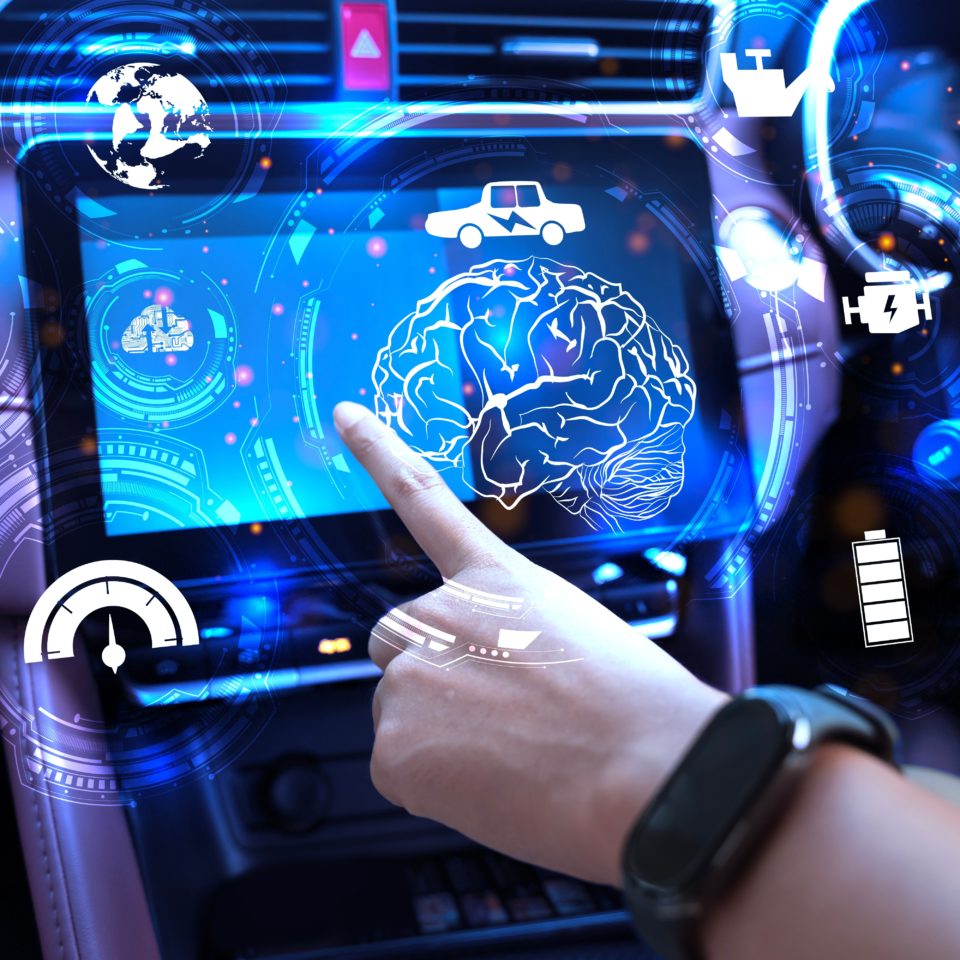
General Motors has announced a major leap in the driving experience set for 2026: the integration of a Google Gemini–powered AI assistant directly into its vehicles. Instead of relying on limited voice commands, drivers will be able to converse with an intelligent assistant that understands context, connects to the web, and uses vehicle data to offer personalized features from maintenance tips and optimized routes to automatically pre-cooling the car before entry. This move signals how AI and autonomy are becoming integral parts of the automotive future.
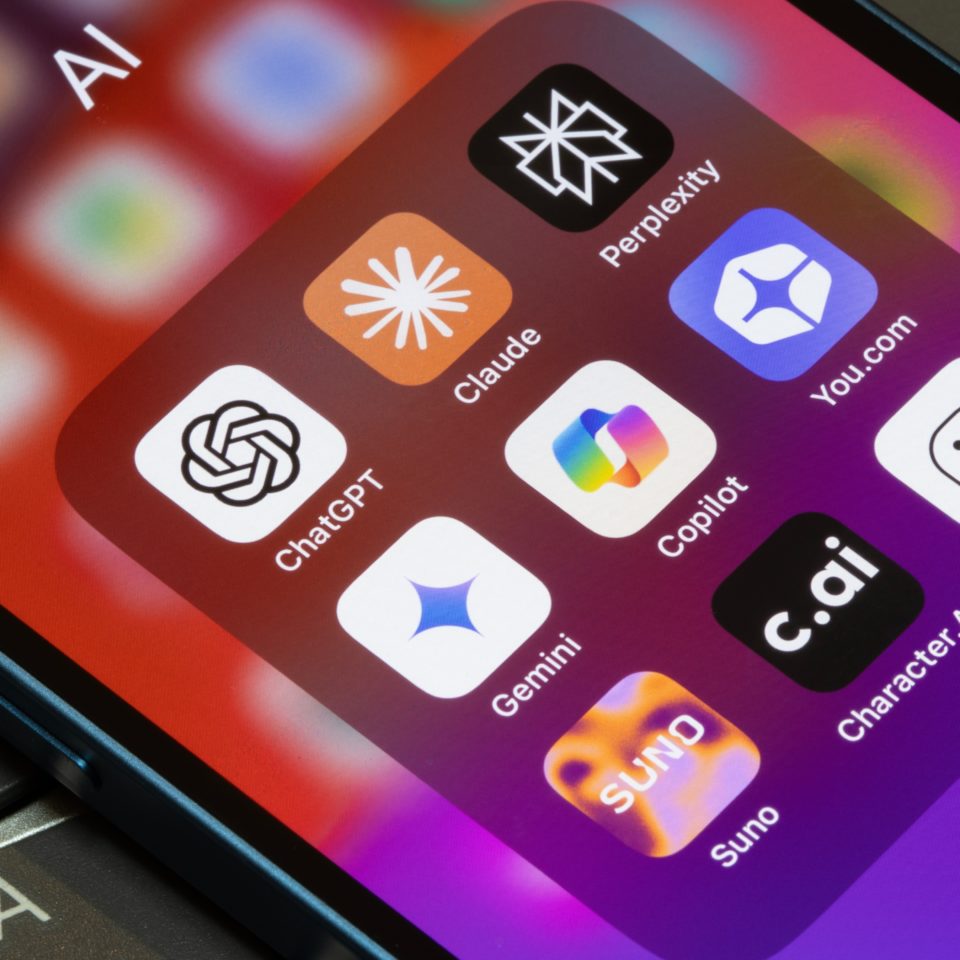
OpenAI recently enabled the use of applications directly within ChatGPT, opening up entirely new possibilities for user interaction and productivity. Instead of relying on external tools, users can now perform a wide range of tasks, from searching for information to generating content entirely within a single interface. This move highlights how artificial intelligence is becoming increasingly integrated into everyday work and digital life.
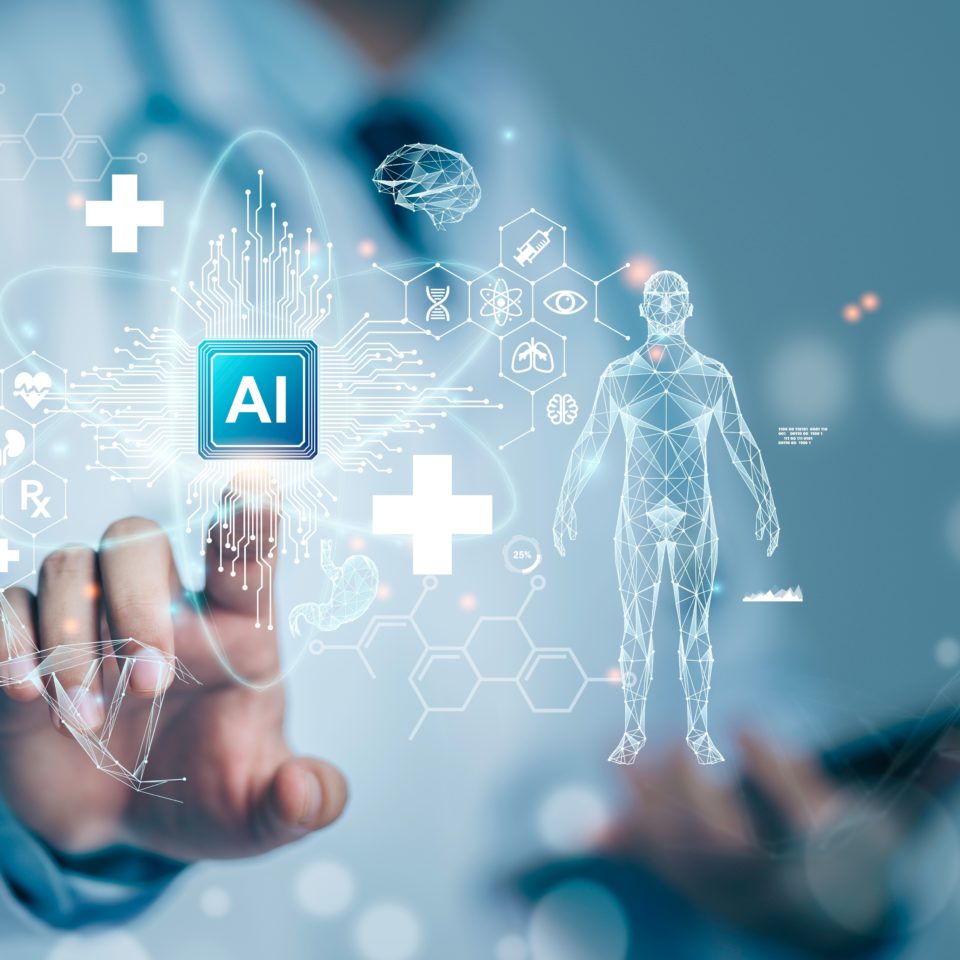
Imagine if your health profile could “read the future” and reveal the risk of developing numerous diseases up to ten years ahead. A new AI system called Delphi-2M has exactly that ambition. Trained on large sets of medical data, it combines clinical history, lifestyle habits and demographic factors to estimate the likelihood of developing more than a thousand different medical conditions. Although it is not yet used in everyday medical practice, this tool opens the door to a revolution in preventive medicine, encouraging earlier interventions and a personalized approach to health.

As the world prepares for the next generation of wireless networks, scientists are increasingly focusing on one key challenge: how to develop 6G technology that will not further harm the environment but instead work in harmony with it. A recent study highlights the potential of green 6G networks, those that rely on renewable energy sources, reduce overall energy consumption and optimize infrastructure in order to mitigate the carbon footprint of telecommunications systems. If 5G networks represent a technical leap forward, 6G green networks could define the very ethics of tomorrow’s connected society.
Endorsed by